One thing that has a large tendency to turn into a bottleneck and prevent scaling a courier business is spending too much time on tasks that are repetitive and time consuming. One of these is unnecessary calls.
These calls could come from anywhere: the customer who places the order, the end receiver who is supposed to be the recipient, or the driver. There are not a lot of unique calls in this category. Most follow the same pattern, just from a different person. Below are a few examples of these calls and why they are happening.
What Are Unnecessary Calls and What Causes Them?
Where is my order?
Who is calling:
from sales partners, customers, end receivers.
Main causes:
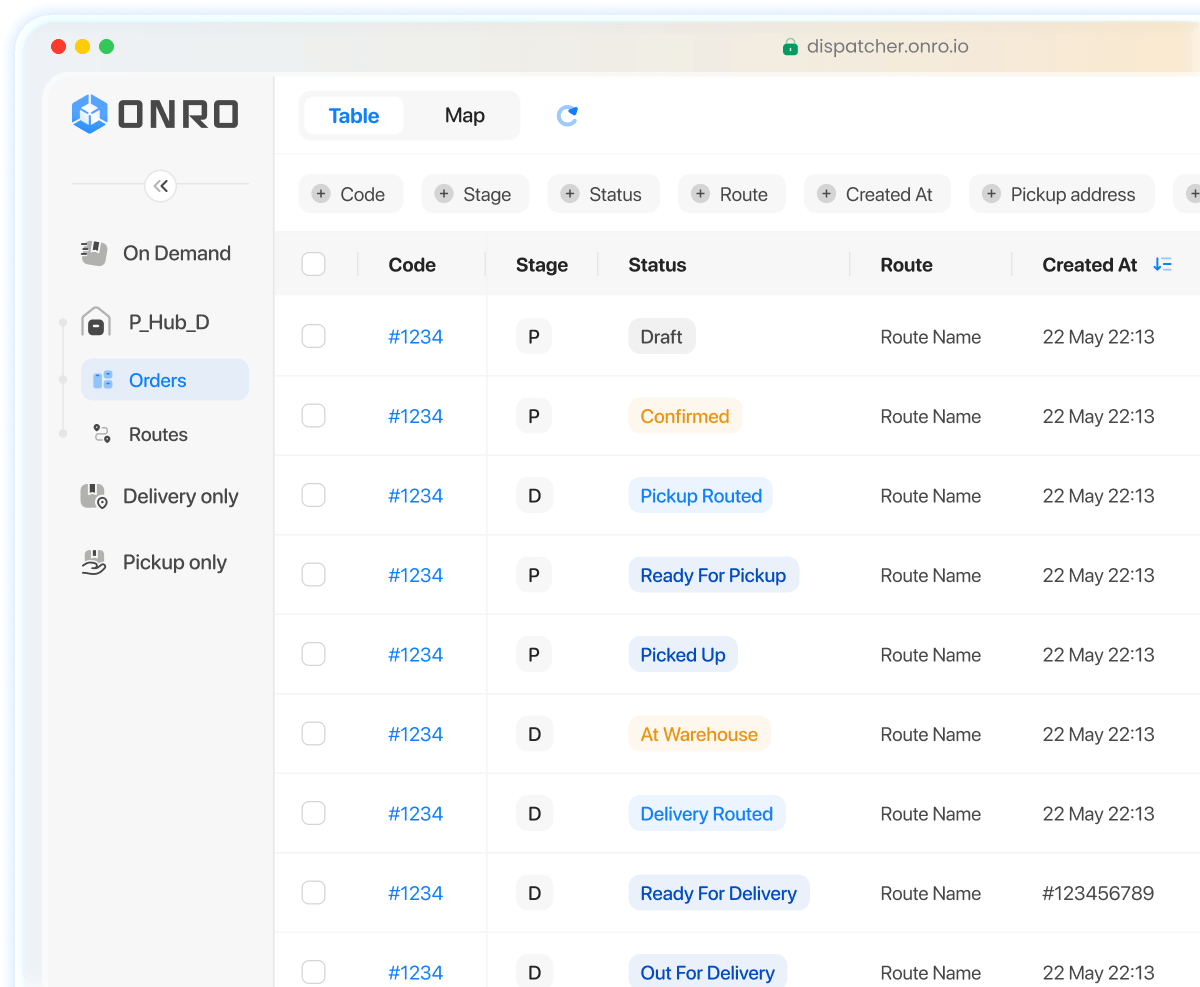
- Lack of real time visibility
- No proactive notification system in place
Can you update the delivery status?
Who is calling:
from drivers to the dispatchers.

Main causes:
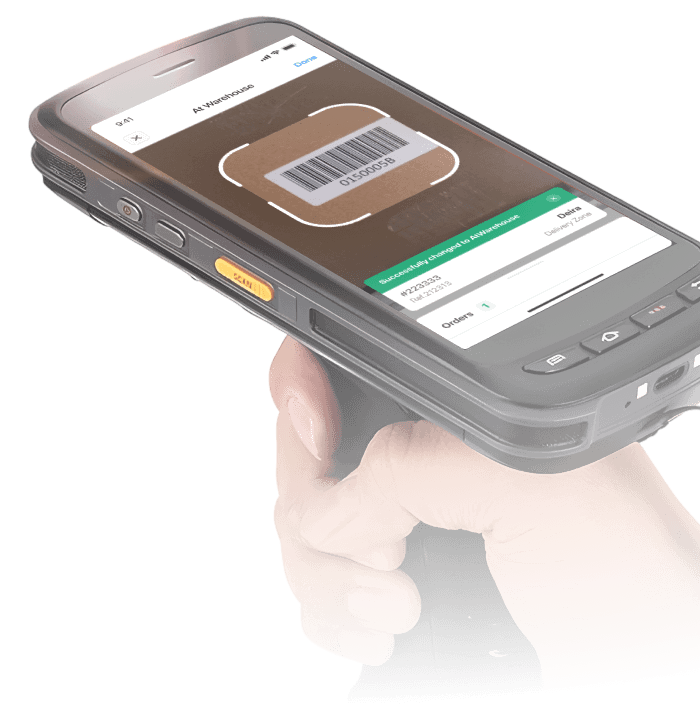
- Driver finished a stop but cannot easily update status
- Status updates are done manually
The address changed
Who is calling:
from customer to dispatcher, from dispatcher to driver.
Main causes:
- Orders are static once created
- Notes are taken on pen and paper
Can you add one more delivery?
Who is calling:
from customers to dispatchers.
Main causes:
- New orders come in after routes are built
- Routes are manual and fragile
- Dispatchers are afraid to touch a “finished” plan
Why wasn’t this delivered?
Who is calling:
by customers, operations managers, and sometimes finance.
Main causes:
- No digital records of proof of delivery
- No immediate solution for dispute resolution
Which driver is handling this?
Who is calling:
from support, sales, warehouse, and management.
Main causes:
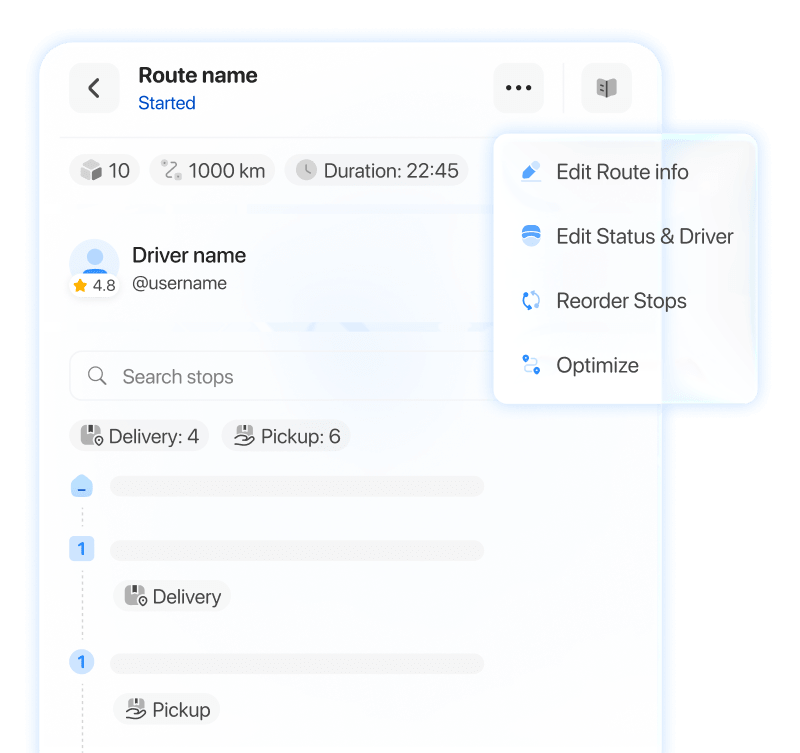
- No visibility into active routes
- Driver assignments live in someone’s head
- Spreadsheets are outdated five minutes after opening
Can you put me through to my driver?
Who is calling:
from end receivers.
Main causes:
- Lack of the ability to communicate with the driver
I’m lost, traffic is bad, what should I do?
Who is calling:
by drivers.
Main causes:
- Poor route planning
- Drivers improvise under pressure
Did you receive my order?
Who is calling:
by end receivers, partners.
Main causes:
- Orders submitted via email or phone
Why are they unnecessary?
- They take up the dispatcher’s and the rest of the team’s time.
- They are repetitive.
- They could be easily avoided.
Hearing about how each of these calls, once piled up, takes hours of a team’s time is nothing new to us.
The same amount of effort that the team is putting into responding to each of these calls diligently could instead be spent on marketing efforts and increasing volume, adding more repeat customers.
What Solutions Reduce Unnecessary Calls?
When we look at the root cause of all these calls, they either stem from a lack of real-time visibility, manual handling of orders, or scattered channels of communication.
All of these could be streamlined with a good courier software. Not every software deliberately focuses on all of these items simultaneously, but there are some that are a one-stop place, providing features that directly address these issues.
What does the solution look like operationally?
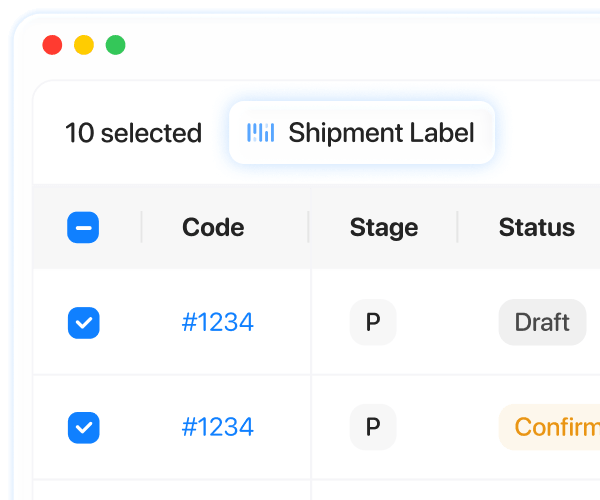
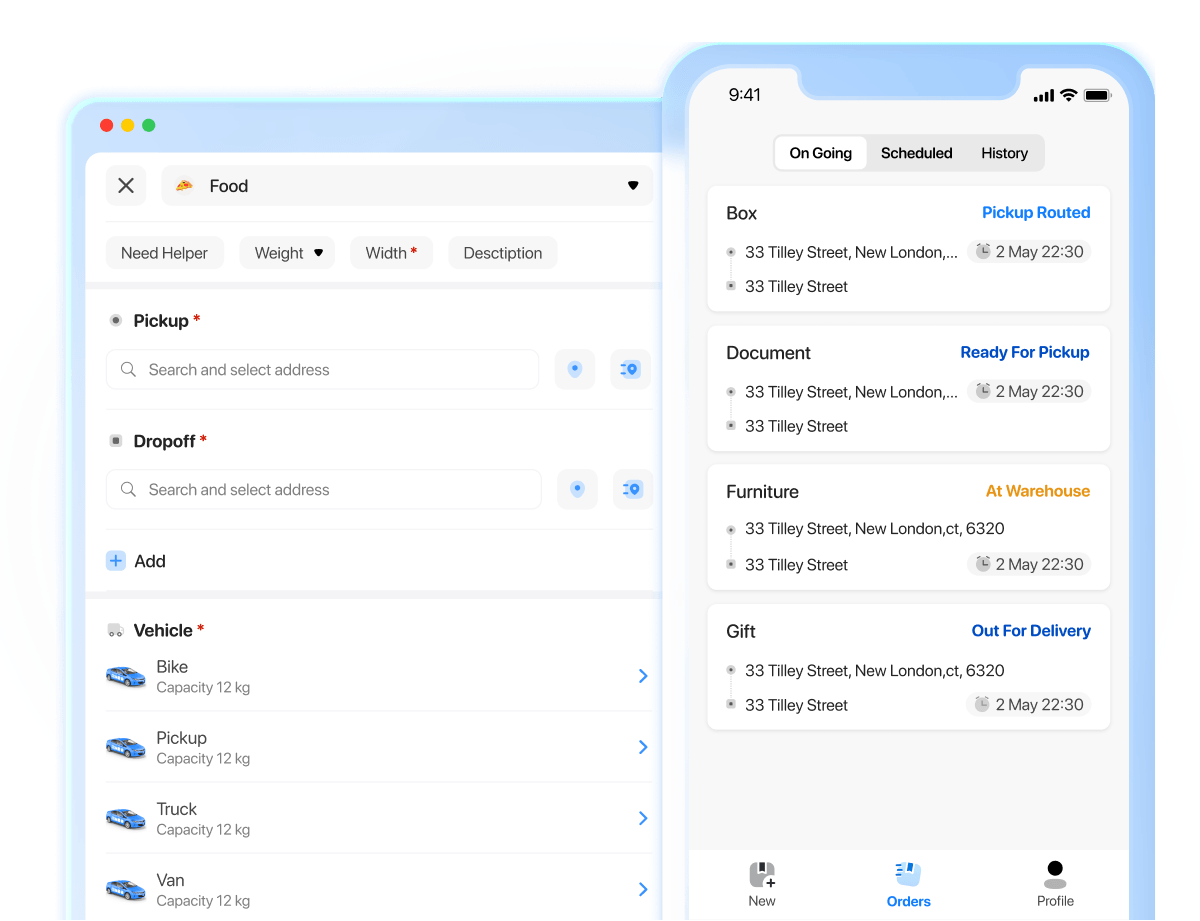
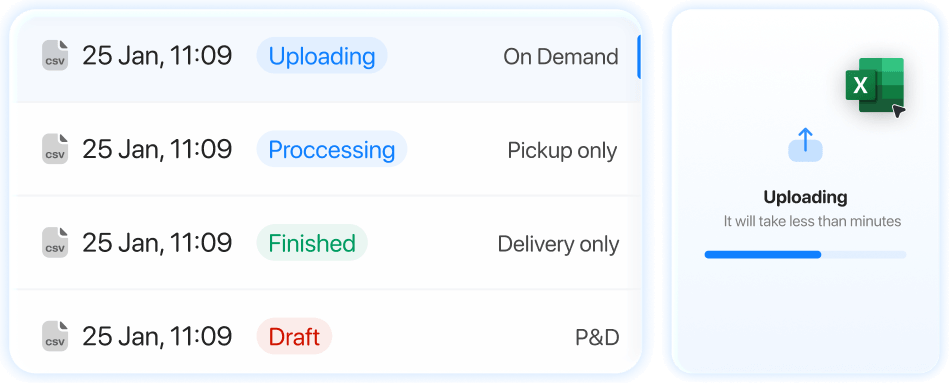
Instead of orders coming in through several channels, they could all be unified into a Customer Portal, where anyone with an order could log in using credentials, place the order with the pickup and delivery address, and be done.

We may have saved time on a couple of calls here. No need for order placement calls anymore.
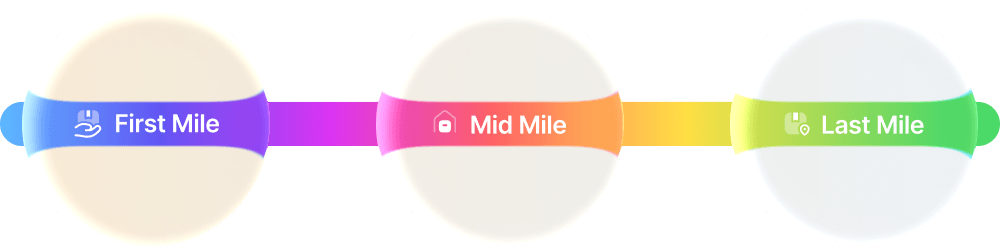
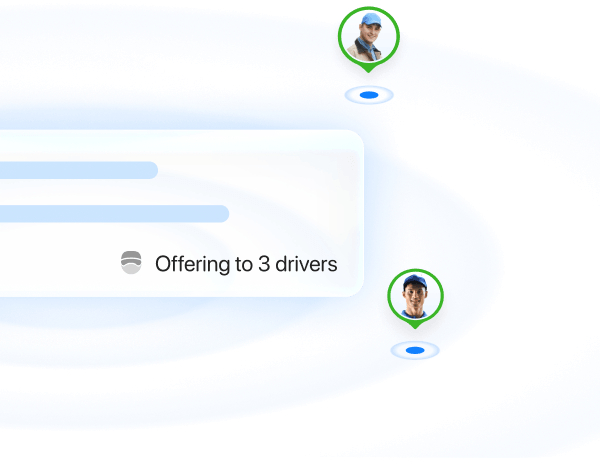
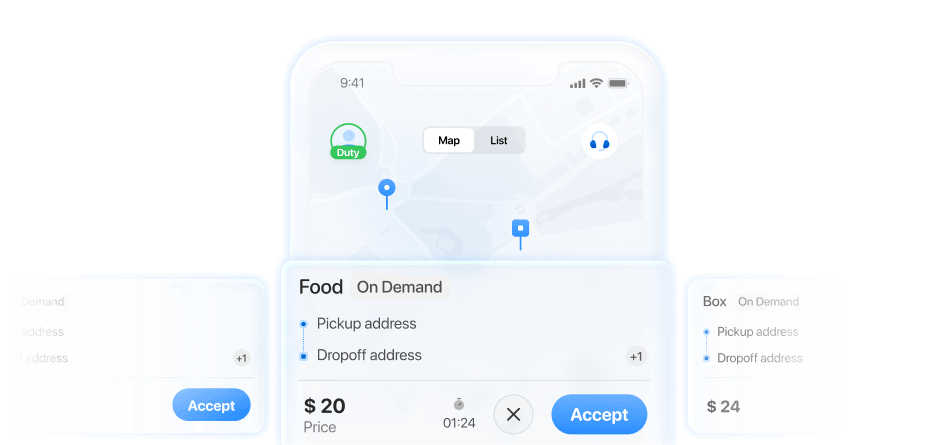
Then, the driver needs to be notified of these orders. No need for a call again. The same software could be used to assign the incoming orders to the drivers. There are some software solutions that have automated this part based on a fixed formula that chooses the most appropriate driver or drivers every time. This mostly applies to on demand, end to end deliveries without the presence of a hub.

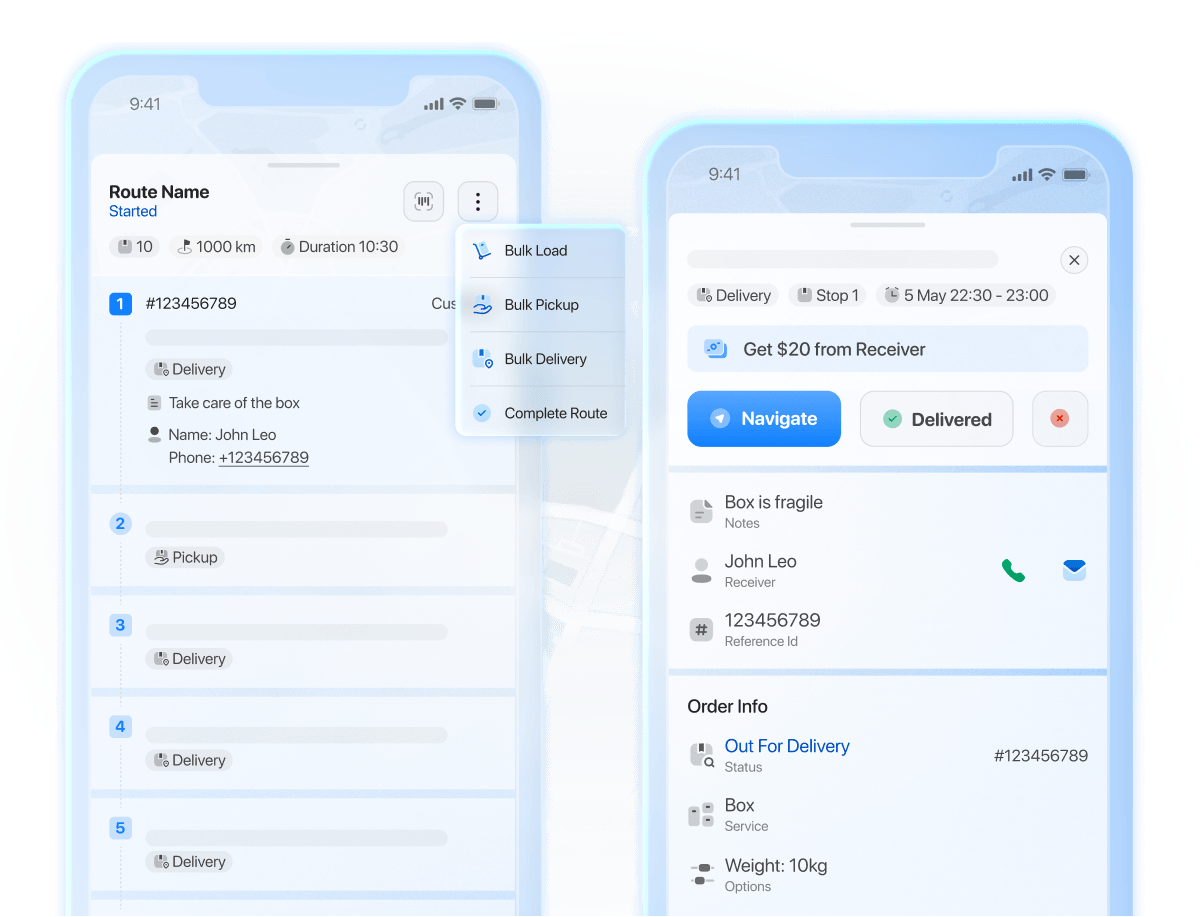
For each order, we have saved one extra call that we do not need to make to the driver. They can already see the orders they have been assigned to their Driver App.
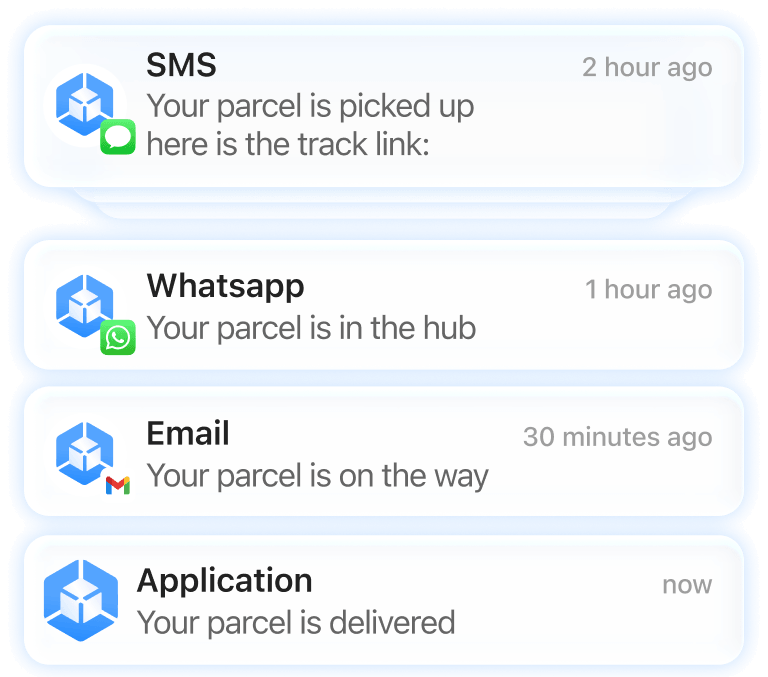
Next are the follow-up calls. If we are notifying both the customer who placed the order and the recipient, and if we are doing it automatically, there would be no calls asking where the order is. Orders could either be tracked in real time using a tracking link, or any party involved has already received some sort of notification: email, SMS, webhook, etc.

And if the customer or recipient needs to communicate notes to the driver, that could also be done through software. We are almost in the middle of the entire process, and there has been no need for any calls so far. The dispatcher or dispatchers could sit back and relax.

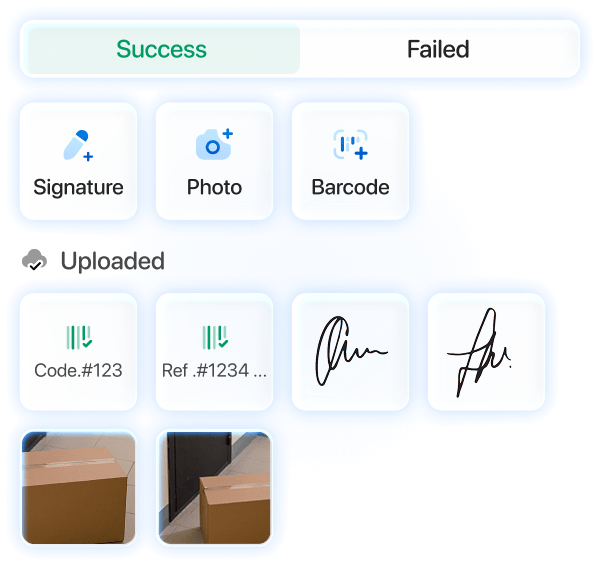
Let’s suppose the driver has now picked up the packages and is on their way to the drop off location. There, they could use the software through their Driver App to upload proof of delivery, which then gets logged in the system. This eliminates the need for another call asking if the package was delivered or not.

We finished the order. There has been no need for any unnecessary calls.
FAQs | How to Reduce Unnecessary Calls
Any order in progress could be edited, the new address could be added, and the route could be re-optimized.
They won’t. Using the Navigate button, they could tap on each address, tap Navigate, proceed to the stop, and finish the delivery or pickup. The routes are already optimized based on distance and congestion, so the stops are in the best order.
Again, the order in progress could be edited and the address changed.
It changes little in the overall picture. The order has still been placed, notifications have been sent, and real time tracking is available. No need for any calls.
Software like Onro allows couriers to request information that could be mandatory for the creation of an order, such as size, weight, dimensions, etc. If any of those fields are required, an order cannot be created without them.
Simple. All of these rules could be configured in the settings accessible by the Admin of the panel, for example the Operations Manager. Every time an order comes through, pricing and the driver’s commission are calculated based on the predefined formula.
Through their profile in the Driver App, they could make withdrawal requests that are pushed into the system and made visible to the admin or dispatcher, who can then accept or deny them.
Different logins with limited or unlimited access could be defined for each team member. This keeps everyone in the loop to the extent that they should be.
They cannot. Once zones are defined and driver teams are assigned to them, each driver can only accept and complete orders in the zones they are meant to operate in.
Conclusion
The types of calls we talked about may not seem like much on the surface, but they are quietly taking away time from courier teams. The purpose of software like Onro is to help businesses focus on growth, while operations run effortlessly in the background. By reducing these calls, hours of time can be freed up and used for more productive efforts, such as better customer service, less friction, and a generally happier team. Most importantly, this bottleneck to growth is eliminated, allowing teams to do more with less.